
.svg)
.svg)

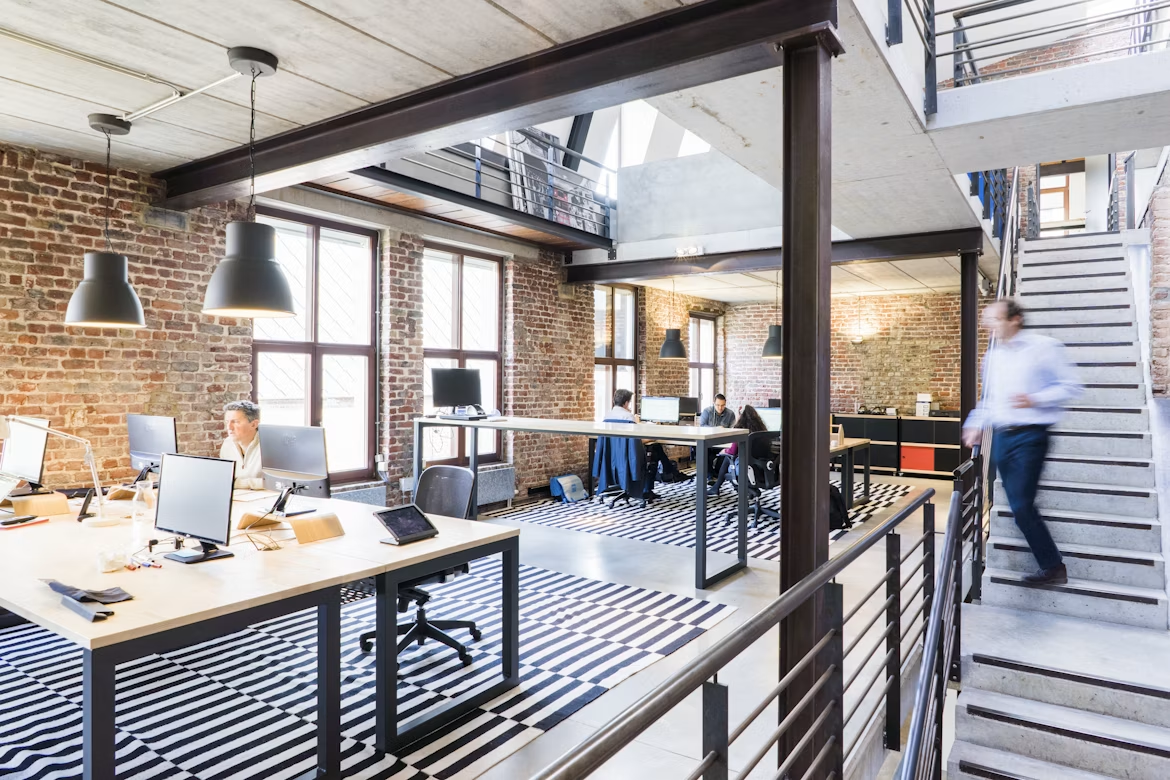
Image from Unsplash
Picture this. You just wrapped up a great interview. The candidate was sharp, funny, clearly knew their stuff. You've got the recording saved somewhere in a shared drive labeled "Interviews_Final_v3" and you fully intend to send it to the hiring panel.
Then Tuesday becomes Friday. Friday becomes "next week." And that recording? Still sitting there, unheard, while a strong candidate waits for an answer that never comes fast enough.
If you work in HR or recruiting, you already know this story. It's not because anyone's lazy. It's because audio recordings are a pain to consume. Nobody wants to sit through forty five minutes of a phone interview when they're juggling six open roles and a Slack channel that won't stop buzzing.
Here's the thing though. The fix isn't asking people to find more time. It's changing the format entirely. That's where tools like Audio to Video AI come in, turning raw interview audio into something people will actually watch and review without dragging their feet.
Why Audio Just Doesn't Get Watched (Or Listened To)
Let's be honest. Audio is a tough sell in a workplace built around quick visual scans. We skim emails, swipe through video clips, and glance at dashboards. Listening requires something different: full attention, for an extended stretch, with nothing else competing for your ears.
Hiring managers are busy people. A hiring panel might include four or five stakeholders, each with their own calendar chaos. Asking all of them to listen to a full audio recording before a debrief meeting is, honestly, kind of unrealistic. Most won't. They'll skim notes instead, or worse, just trust the recruiter's gut feeling without reviewing anything themselves.
That's a real problem when you're trying to build a fair, consistent hiring process. Decisions made on vibes alone tend to introduce bias. Decisions made after everyone actually reviews the same material? Those tend to hold up better.
Video Changes the Game (Even When It's Not Original Video)
You don't need a camera crew to make interview content watchable. You just need a different format. Video, even a simple visual layer paired with the original audio, makes people more likely to actually engage with it.
Think about why short clips dominate every platform we use. Video adds pacing, visual cues, and a sense of progress. Audio alone can feel like a black hole with no clear beginning, middle, or end. Video gives your brain something to track.
This isn't just a hunch. Plenty of workplace research has pointed to how visual content gets processed faster and retained longer than audio alone, which matters a lot when a hiring panel needs to compare five candidates in one sitting and remember who said what.
So when recruiting teams convert interview recordings into short video summaries, something interesting happens. People actually watch them. Reviewers leave faster feedback. Hiring panels align quicker because everyone saw and heard the same clip instead of relying on a recruiter's secondhand summary.
A Quick Reality Check on Time to Hire
Time to hire is one of those metrics every HR team tracks and nobody loves talking about when it's bad. Long hiring cycles lose great candidates to faster competitors. It's a brutal market out there, and top talent doesn't wait around for three weeks of internal scheduling friction.
According to research from SHRM, slow hiring processes remain one of the most common reasons strong candidates drop out before an offer is even made. That's a sobering stat, and it puts pressure on every step of the pipeline, including how quickly internal stakeholders can review and weigh in on interviews.
If your hiring panel can watch a five minute video recap instead of scheduling a thirty minute audio playback session, you've just shaved real days off your process. Multiply that across every open role and the savings add up fast.
What This Looks Like in Practice
Let's get practical for a second. Say a recruiter finishes a screening call. Instead of just uploading the raw audio file and hoping someone listens, the recording gets converted into a short video format with visual pacing and key moments easy to scan.
That video gets shared with the hiring panel through whatever tool the team already uses. Panel members watch it between meetings, on their phones, whenever they've got a free ten minutes. They show up to the debrief actually having reviewed the material, not just nodding along based on someone else's notes.
This is exactly the kind of workflow modern recruiting platforms are leaning into. Tools that summarize interviews, surface key quotes, and flag potential concerns are becoming standard parts of the hiring stack, not nice to have extras. The Society for Human Resource Management has noted similar shifts toward AI assisted review tools becoming mainstream in recruiting departments, especially as teams try to do more with leaner staff.
A Small Digression, But Stick With Me
You might be thinking, isn't this just adding another tool to an already crowded tech stack? Fair question. HR teams already juggle an applicant tracking system, a scheduling tool, maybe a background check platform, and now this too?
Honestly, the difference is this isn't replacing anything. It's making something you already have, your interview recordings, actually useful. Most of that audio is sitting unused right now anyway. Turning it into something reviewable doesn't add complexity. It removes the friction that's been there the whole time.
Bringing It Back to the Hiring Panel
At the heart of all this is a pretty simple idea. Hiring decisions get better when more people review the same material in a format they'll actually engage with. Video does that better than audio, full stop.
HR teams that adopt this kind of workflow tend to see faster panel alignment, fewer "wait, what did the candidate say about that?" moments, and a hiring process that moves with the urgency today's job market demands.
So if your team is sitting on a pile of interview recordings nobody's watching, maybe it's time to rethink the format. Sometimes the biggest workflow win isn't a brand new tool. It's just making what you already have easier to actually use.
.png)
%20(1).png)
%20(1).png)
.svg)


.png)
.png)


.png)


