
.svg)
.svg)

The executive job market in 2026 looks competitive on the surface, but the hiring process has become far more selective and complicated than many candidates expected. LinkedIn reports that more than half of professionals are considering a new role this year, while applications per open position have doubled compared to 2022. At the same time, nearly two-thirds of recruiters say finding qualified talent has become harder despite the growing volume of applicants.
The structure of hiring is changing as well. Executive searches now commonly take between three and six months, and passive candidates account for most successful senior-level hires. Recruiters are increasingly using AI-assisted sourcing and screening tools, which means candidates are often evaluated before any human conversation happens.
Remote and hybrid work continue to influence hiring decisions too. Recent labor market data shows that flexible work remains a major factor for experienced professionals considering leadership moves, particularly in technology, consulting, operations, and growth-focused roles.
Because of these shifts, searching for a new role at the executive or senior-management level looks very different from applying for entry-level jobs. By the time someone reaches director, VP, or C-suite positions, the process becomes less about volume and more about positioning, credibility, and relationships.
Recruiters evaluating senior candidates are not simply scanning for keywords. They are looking for evidence of leadership, operational impact, strategic thinking, and the ability to influence large organizations. That changes the kinds of tools executives rely on during a job search.
Below are several tools and services senior professionals commonly use when preparing for leadership transitions, networking with decision-makers, and presenting their experience effectively.
1. Resumeble
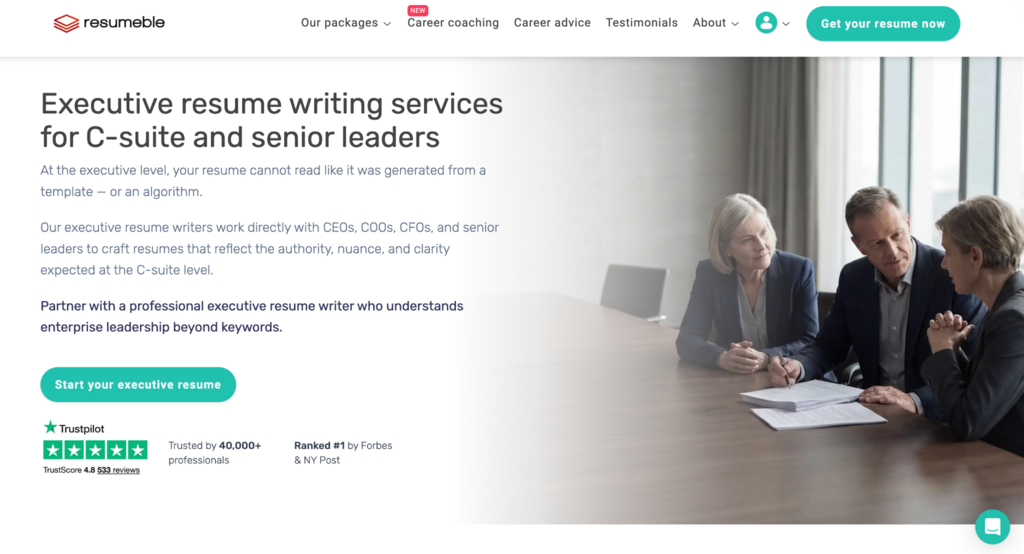
Executive resumes require a different level of precision than standard corporate resumes. Senior leadership candidates are often evaluated on strategic impact, operational oversight, stakeholder management, and organizational influence rather than task-based responsibilities.
Many executives use Resumeble when preparing for leadership transitions because the service focuses specifically on executive positioning for CEOs, CFOs, COOs, VPs, founders, and senior operators.
Instead of relying heavily on templates or automated formatting, executive resume writers help structure complex leadership experience into concise narratives that recruiters and hiring committees can quickly evaluate.
The service is particularly useful for:
- executives changing industries
- directors moving into VP roles
- founders entering enterprise environments
- senior leaders targeting board or advisory positions
At the executive level, a resume that sounds generic can weaken even a strong career history. Clear positioning and thoughtful presentation often matter more than candidates expect.
2. LinkedIn Premium

LinkedIn remains one of the most important platforms for executive networking and recruiter visibility.
While many professionals use the free version casually, senior candidates often benefit from Premium features during active searches. Access to expanded recruiter insights, profile visibility tools, and InMail messaging can make outreach more efficient.
LinkedIn data shows that six people are hired through the platform every minute globally, while the network now includes more than 65 million decision-makers and 10 million C-level executives.
For executives, LinkedIn functions less like a job board and more like a positioning platform. Recruiters frequently review:
- leadership summaries
- recommendations
- recent activity
- industry commentary
- mutual connections
- organizational history
Candidates who maintain thoughtful profiles generally perform better than those who treat LinkedIn as a static resume copy.
3. Grammarly

Communication quality matters more at the executive level than many candidates realize.
Minor grammar issues or awkward phrasing in outreach emails, resumes, or cover letters can create unnecessary friction. Tools like Grammarly help professionals polish written communication before it reaches recruiters, investors, or hiring committees.
Executives regularly write:
- networking emails
- leadership bios
- board summaries
- follow-up messages
- interview materials
- strategic introductions
Even small improvements in clarity and tone can make communication feel more polished and confident.
4. Notion
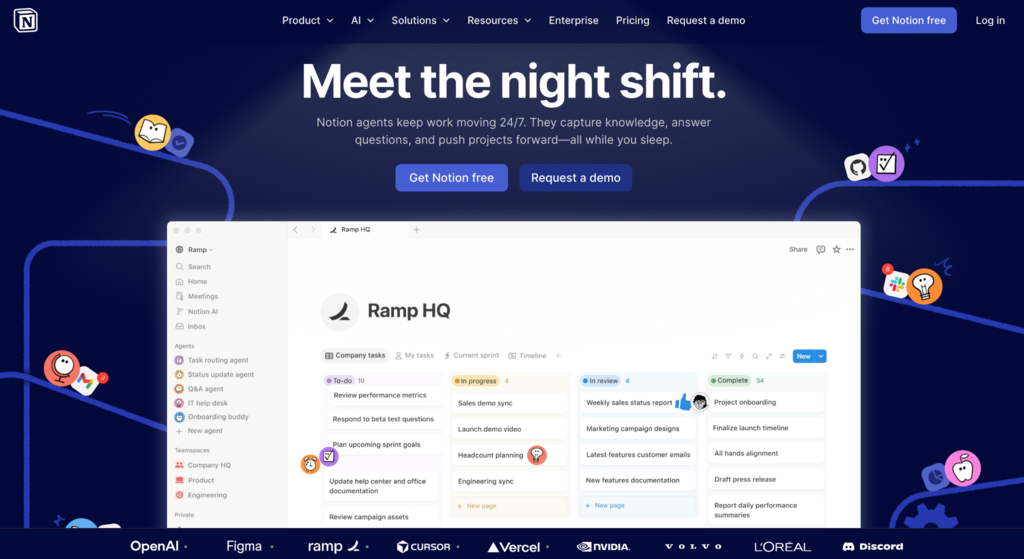
Senior job searches often involve far more moving parts than candidates expect.
Executives may simultaneously manage:
- recruiter conversations
- interview scheduling
- networking follow-ups
- compensation discussions
- company research
- personal branding materials
- references
Notion has become a useful organizational tool because it allows professionals to centralize these workflows in one place.
Some executives use it to build:
- interview preparation databases
- company research hubs
- networking trackers
- leadership accomplishment libraries
This becomes especially valuable during confidential job searches where organization and discretion matter.
5. Calendly

Scheduling becomes surprisingly complicated during executive searches.
Leadership interviews often involve:
- multiple stakeholders
- board members
- recruiters
- investors
- department heads
- external consultants
Coordinating across time zones and busy calendars can slow the process significantly.
Calendly simplifies scheduling without requiring endless email exchanges. Many senior candidates now include scheduling links directly in recruiter communications or networking follow-ups.
6. Otter
Executives typically go through lengthy interview cycles with large amounts of information exchanged during meetings.
Remembering details from every conversation can become difficult, especially when interviewing with multiple companies simultaneously.
Otter helps by generating searchable meeting transcripts and notes. Some candidates use it after recruiter calls or strategy discussions to review:
- role expectations
- compensation details
- organizational structure
- leadership priorities
- follow-up items
Having accurate notes can improve preparation for later-stage interviews and reduce communication mistakes.
7. Canva
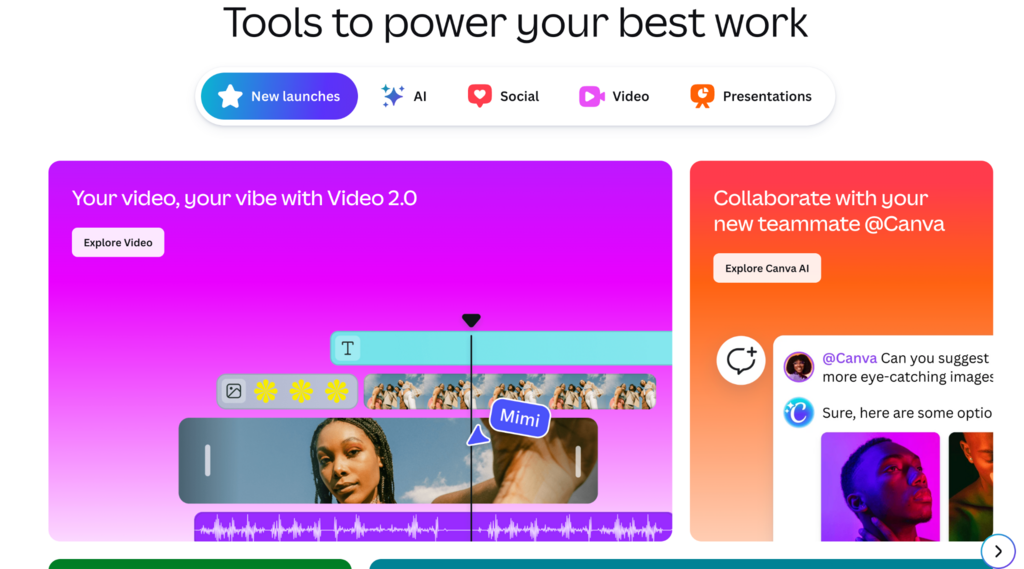
Presentation increasingly matters in leadership hiring.
Executives are often expected to provide:
- strategy presentations
- operational plans
- portfolio summaries
- business cases
- leadership frameworks
Canva has become popular because it allows professionals to create clean visual materials quickly without relying on design teams.
This is particularly useful for:
- consulting executives
- startup operators
- fractional leaders
- transformation specialists
- strategic advisors
Simple and readable visuals usually perform better than overly complex presentations.
Why Executive Job Searches Require Different Tools
One reason executive searches feel frustrating is that many traditional job-search resources are designed for volume applicants rather than leadership candidates.
At the executive level:
- relationships matter more
- positioning matters more
- communication quality matters more
- reputation matters more
- strategic narrative matters more
A strong candidate can still struggle if their materials fail to communicate leadership value clearly.
An executive resume should demonstrate:
- business impact
- decision-making authority
- operational complexity
- leadership maturity
- measurable outcomes
That requires more than basic keyword optimization.
Final Thoughts
The modern executive job search is less about sending hundreds of applications and more about presenting a credible leadership narrative to the right people.
Tools can help streamline communication, organization, scheduling, and visibility, but the foundation still comes down to how effectively a candidate presents their experience. Senior hiring decisions are often influenced by perception long before a formal interview takes place. Recruiters and boards evaluate not only achievements, but also clarity of communication, leadership maturity, and strategic thinking.
That is one reason executive candidates tend to approach resumes differently from mid-level applicants. A senior leadership resume is expected to communicate business impact, organizational scope, and decision-making authority within a relatively short document. Small issues in positioning, structure, or messaging can change how a candidate is perceived.
Services like Resumeble have become part of that process for many executives who want outside perspective on how their experience is presented. Not necessarily because they cannot write their own resumes, but because translating decades of leadership experience into a concise and readable narrative is often harder than expected.
In competitive executive searches, candidates are rarely evaluated on qualifications alone. The ability to communicate leadership value clearly and confidently can influence whether opportunities move forward at all.
%20(1).png)
%20(1)%20(1).jpg)
%20(1).png)
.svg)


.png)
.png)


.png)


