
.svg)
.svg)

Sometimes the problem isn’t a false review.
It’s a true one.
The facts check out. The experience happened. The reviewer isn’t lying. Yet the way the issue appears online creates a distorted picture of who you are or how your business actually operates.
That’s where reputation management becomes complicated. You’re not correcting misinformation. You’re managing perception around something technically accurate.
And this is exactly where even the best review management software starts to show limits.
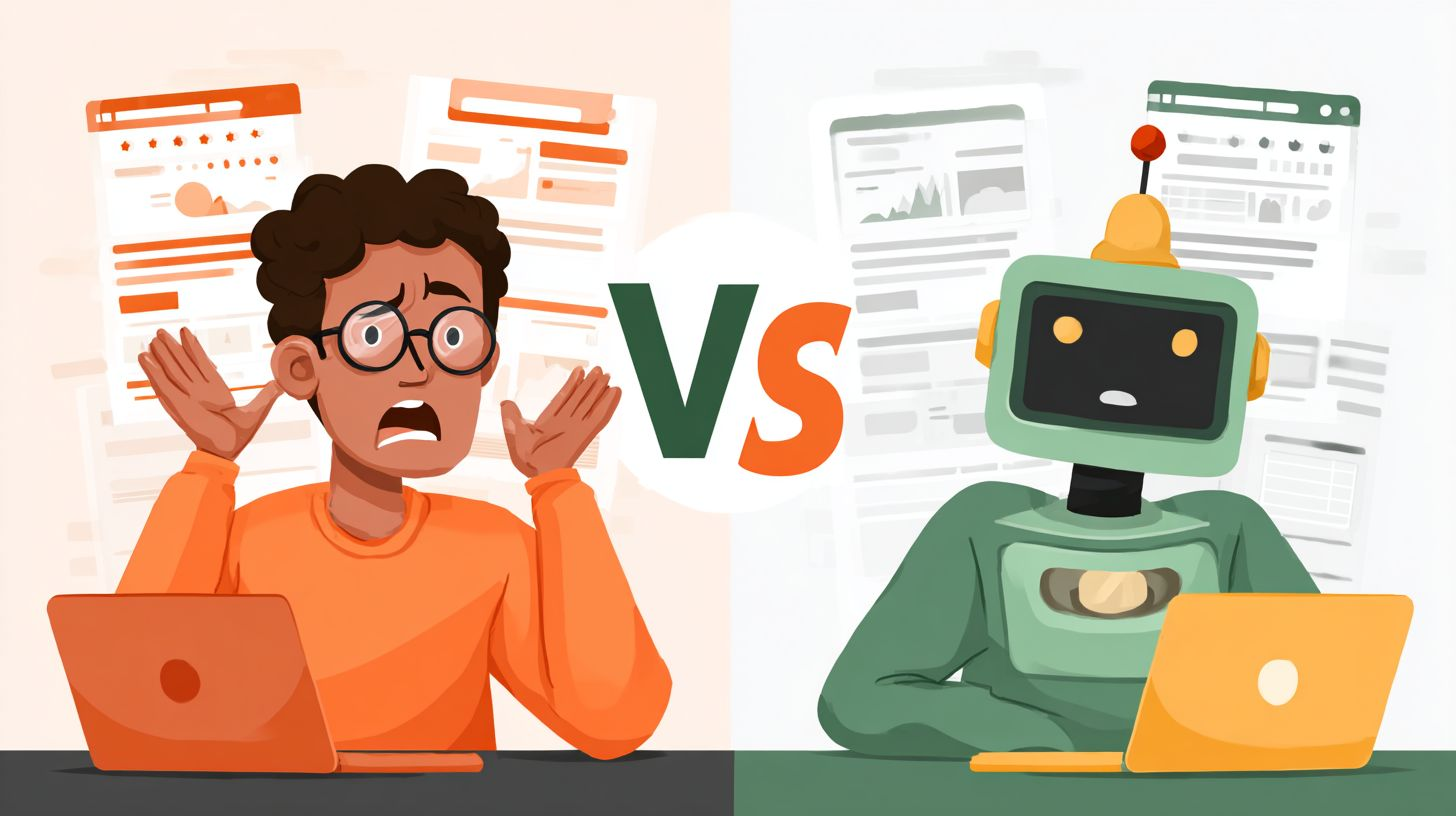
Automation understands data. Reputation lives in context.
When Accuracy Still Damages Reputation
Most businesses expect reputation problems to come from fake reviews or clear mistakes. In reality, many of the hardest situations involve feedback that is factually correct but incomplete.
A customer had a bad day.
A policy was enforced properly.
A delay really happened.
None of these is wrong individually. Collectively, they can shape a misleading narrative.
Search engines and review platforms don’t evaluate fairness. They surface engagement. If a technically correct complaint gains visibility, it can anchor perception long after the situation changes.
Reputation management isn’t about arguing facts. It’s about restoring proportion.
Where Review Management Software Helps — And Where It Struggles
Modern platforms monitor dozens of review sites simultaneously and centralize feedback in a single dashboard. For businesses handling large volumes, this efficiency is essential.
The best review management software typically handles:
- multi-platform review aggregation
- real-time alerts
- sentiment scoring
- response templates
- performance reporting
These tools prevent reviews from being missed. They reduce response delays. They create operational consistency.
But they also introduce friction when nuance matters most.
Software reacts to signals. Humans interpret meaning.
The Core Conflict: Automation vs Human Judgment
A review might read:
“Everything was fine… just not what I expected.”
An algorithm labels this neutral. A human reads disappointment.
That difference matters. Neutral responses maintain distance. Thoughtful responses rebuild trust.
Technically correct reviews often contain emotional subtext that software struggles to interpret:
- sarcasm disguised as praise
- cultural communication differences
- frustration hidden behind polite language
- long-term customers expressing early warning signs
Online reputation problems rarely explode without warning. Humans notice the warning signs first.
Conflict 1: Speed vs Authentic Response
Automation prioritizes efficiency. Reputation requires authenticity.
Templates allow teams to respond quickly across hundreds of reviews, but they can unintentionally reinforce negative sentiment when situations need personalization.
Common outcomes of over-automation include:
- responses that feel copied and pasted
- apologies disconnected from the issue
- tone mismatches with the reviewer's emotion
- escalation caused by perceived indifference
A fast reply isn’t always a good reply.
Many NetReputation clients discover that a brief human edit transforms an acceptable response into a reputation-saving one.
A practical workflow works better:
- let software draft the response
- add human context
- adjust tone and specificity
- publish within minutes
Speed stays intact. Authenticity returns.
Conflict 2: Algorithmic Priority vs Real Impact
Review software ranks feedback using measurable factors:
- star rating
- keyword severity
- recency
- platform authority
Logical metrics. Incomplete judgment.
A three-star review from a respected local figure may carry more reputational risk than a one-star review from a first-time visitor. Software rarely understands influence or audience reach.
Human intuition recognizes:
- repeat reviewers
- emerging patterns
- coordinated complaints
- industry insiders with credibility
The most effective teams treat algorithmic scoring as guidance, not instruction.
A simple hybrid approach works:
- respond immediately to top algorithm alerts
- manually review mid-tier feedback daily
- audit low-priority reviews weekly
This prevents high-impact issues from being masked by average scores.
Conflict 3: Handling Negative Reviews That Are Technically Fair
The hardest reviews to manage are the ones you can’t dispute.
They describe real events but lack context. Maybe the customer ignored policy details. Maybe expectations were unrealistic. Maybe circumstances were temporary.
Arguing rarely helps. Silence helps even less.
Strong reputation management responses focus on clarification without defensiveness:
- acknowledge the experience
- explain context briefly
- show willingness to improve
- invite offline resolution
You’re not correcting facts. You’re completing the story.
Businesses that rely solely on automated replies often miss this distinction, which can make accurate reviews feel adversarial rather than resolved.
Conflict 4: Sentiment Analysis Has Blind Spots
Even advanced sentiment analysis tools struggle with complex language.
Common misreads include:
- sarcasm (“Great job ruining my day”)
- mixed sentiment reviews
- industry jargon
- emoji-heavy feedback
- short comments lacking context
A review that says “service was insane” could be praise or criticism, depending on audience norms. Software guesses. Humans know.
Improvement comes from combining both strengths:
- automation handles volume
- humans handle ambiguity
Teams that manually review flagged responses for even 1 hour per day significantly reduce escalation risk.
Why Technically Correct Errors Spread Faster
Technically accurate criticism often gains traction because it is perceived as credible.
Readers assume fairness because facts aren’t disputed. Over time, repeated exposure creates perceived patterns even when incidents were isolated.
Search visibility amplifies this effect:
- reviews influence local rankings
- star averages shape first impressions
- AI summaries compress nuance into headlines
Without active reputation management, isolated truths become dominant narratives.
That’s why online reputation work focuses on balance rather than removal.
How the Best Review Management Software Actually Fits In
Software isn’t the problem. Over-reliance is.
Used correctly, the best review management software becomes a decision-support system rather than a replacement for judgment.
High-performing teams use automation for:
- monitoring scale
- identifying trends
- drafting responses
- tracking performance metrics
They rely on humans for:
- tone calibration
- escalation decisions
- contextual interpretation
- relationship repair
This division maintains high efficiency while protecting brand perception.
Building a Hybrid Reputation Workflow
The most reliable systems deliberately combine automation and intuition.
A practical structure looks like this:
- Automated monitoring captures every review instantly.
- Software scores urgency and sentiment.
- Humans review high-impact cases first.
- AI drafts responses for speed.
- Staff personalizes tone before publishing.
- Feedback retrains internal guidelines quarterly.
This workflow scales without losing empathy.
Companies working with NetReputation often adopt variations of this model because it preserves consistency while allowing human judgment where it matters most.
Reputation Management Is About Context, Not Correction
When a review is technically correct, the goal isn’t to prove someone wrong. It’s preventing incomplete information from defining your brand.
Reputation improves when audiences see responsiveness, accountability, and perspective — not automated defense.
Technology helps you keep up.
People help you connect.
The businesses that understand this stop treating reviews as data points and start treating them as conversations.
That shift is what turns technically accurate criticism into long-term credibility instead of lasting damage.

.png)
%20(1).png)
.png)
.svg)


.png)
.png)


.png)


